When Should Your Child First Visit the Dentist?
Your child’s first trip to the dentist is an important milestone — and it is often best to make that first visit before there is a problem.
Children should ideally visit the dentist when their first milk teeth appear, or by their first birthday. Starting early gives your child a chance to become familiar with the dental practice and allows parents and carers to receive helpful advice about looking after those important first teeth.
At Dalkeith House Dental Practice in Ringwood, we understand that a child’s first dental appointment can feel like a big occasion for the whole family. Our aim is to make visits calm, friendly and appropriate for each child’s age and individual needs.
Why should children visit the dentist so early?
Baby teeth matter.
They help children to eat, speak and smile, and they also help maintain space for the adult teeth developing underneath.
An early dental visit gives the dental team an opportunity to:
- check your child’s teeth and mouth, where they are comfortable for us to do so
- identify any areas that may need attention
- offer advice about brushing and fluoride toothpaste
- discuss diet and reducing the risk of tooth decay
- answer questions about your child’s developing teeth
- help your child gradually become familiar with visiting the dentist
Importantly, your child does not need to have a dental problem before coming to see us.
Why Is an Early Dental Visit Important?
Children’s teeth and mouth change as they grow. Establishing dental care early can help parents understand how to look after their child’s teeth at different stages.
An early appointment can also help make visiting the dentist a familiar part of growing up.
Waiting until a child has pain or needs urgent treatment can potentially make their first experience more difficult. Introducing them to the dental environment when they are well can provide a more positive starting point.
Dentists at Dalkeith House Dental Practice Ringwood are experienced in caring for children can also provide age-appropriate guidance to parents.
What Happens During a Child’s First Dental Visit?
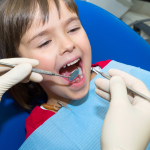
The first appointment is likely to be relatively simple, particularly if your child is very young.
The dental team may:
- Talk to you and your child about their teeth and oral health.
- Check the child’s teeth and mouth, where appropriate.
- Discuss their brushing routine and general oral hygiene.
- Answer questions you have about your child’s developing teeth.
- Explain how future dental visits may work.
The approach should be adapted to the child’s age, comfort and individual needs.
There is no need for parents to expect a lengthy or complicated treatment appointment. For many children, simply becoming comfortable in the dental environment is an important part of the first visit.
How Can You Prepare Your Child for Their First Dental Appointment?
Parents can help make the first visit more comfortable by keeping the experience simple and positive.
Talk positively about visiting the dentist
You might explain that the dentist is going to “have a look at your teeth” or “help us keep your teeth healthy.”
Try to avoid words or descriptions that could make the visit sound frightening.
Keep the Explanation Simple
Young children do not need a detailed explanation of every possible dental procedure. A straightforward explanation can help prevent unnecessary anxiety. Keeping the conversation relaxed can help prevent unnecessary worry.
Try not to pass on your own dental anxiety
If you feel nervous about visiting the dentist yourself, try to avoid sharing those worries with your child.
Children can pick up on the emotions of adults around them. Try to remain calm and positive when discussing the appointment.
Choose a Suitable Time
If possible, consider your child’s normal routine when arranging the appointment. A child who is tired or hungry may find a new environment more challenging.
What If My Child Is Afraid of the Dentist?
It is normal for some children to feel uncertain about unfamiliar people or surroundings.
A calm introduction to dental care can help children become accustomed to the environment gradually. Please tell us when booking if your child is particularly nervous, has additional needs or has previously found dental appointments difficult. This helps the dental team consider how best to approach their visit.
If your child is particularly nervous, mention this when arranging the appointment so the dental team can take their individual needs into account.
What Should Parents Do Between Dental Visits?
Good dental habits begin at home.
Start brushing as soon as your child’s first tooth appears.
Children’s teeth should be brushed twice a day, including last thing at night and on one other occasion, using fluoride toothpaste.
For children under 3, use a smear of toothpaste containing at least 1,000 ppm fluoride. For children aged 3 to 6, use a pea-sized amount of fluoride toothpaste. Encourage your child to spit after brushing and avoid rinsing with water afterwards.
Young children need help with brushing. Parents and carers should continue to supervise or assist until the child can brush effectively themselves — usually until at least the age of 7.
Your dental team can give advice tailored to your child’s age, oral health and individual needs.
What about sugary foods and drinks?
How often teeth are exposed to sugar is important when considering the risk of tooth decay.
Try to keep sugary foods and drinks to mealtimes rather than offering them frequently throughout the day. Water and milk are generally better everyday drink choices for young children.
If you are unsure about your child’s diet or their risk of tooth decay, please ask your dental team for individual advice.
How often should my child visit the dentist?
There is no single appointment interval that is right for every child.
Your dentist will recommend how often your child should attend based on factors such as their age, oral health and individual risk of developing dental problems.
When Should You Contact a Dentist About Your Child’s Teeth?
You do not need to wait for a routine appointment if you have concerns about your child’s teeth or mouth.
Contact a dental practice if you notice something that concerns you, particularly if your child is experiencing discomfort or you are unsure whether a change in their teeth is normal.
A dentist can assess the situation and advise you on the appropriate next step.
If you are looking for a dentist in Ringwood for your child, you can find out more about the practice and its approach to patient care through the about us page.
Frequently Asked Questions
At what age should my child first visit the dentist?
Children should ideally visit the dentist when their first milk teeth appear, or before their first birthday.
Why should children visit the dentist if they have no problems?
An early visit can help children become familiar with the dental environment and gives the dental team an opportunity to assess their developing teeth and provide advice to parents.
What happens at a child’s first dental appointment?
Please do not worry. Young children do not always cooperate in the way adults might expect. The dental team can adapt the appointment to your child and, where appropriate, gradually help them become more comfortable with the environment.
When should I start brushing my baby’s teeth?
Start brushing as soon as the first milk tooth appears. Brush twice daily with fluoride toothpaste, including last thing at night.
How can I make my child’s first dental visit easier?
Keep conversations about the dentist positive and simple. Avoid frightening language, remain calm and tell the dental team if your child is particularly nervous.
Should I wait until my child has all their teeth before visiting the dentist?
No. You do not need to wait until all of the baby teeth have erupted. An early visit is recommended when the first teeth appear or by the child’s first birthday.
What if my child is frightened of the dentist?
Tell the practice when you book the appointment. We can take your child’s individual needs into consideration and aim to introduce them to dental care at a pace appropriate for them.
Is NHS dental treatment free for children?
In England, NHS dental treatment is free for children under 18, and for those under 19 who are in qualifying full-time education. Availability of NHS appointments will depend on the practice’s current NHS arrangements and capacity.
We prioritize appointments for children whenever possible, helping them access dental care sooner.
Children’s Dental Care in Ringwood
At Dalkeith House Dental Practice, we welcome families and aim to help children develop positive dental habits from an early age.
Starting dental visits when the first teeth appear -rather than waiting until something hurts. It gives families an opportunity to receive preventive advice and allows children to become familiar with the dental environment.
If you would like to arrange your child’s first dental appointment or have questions about their teeth, please contact our team.
Information provided on this page is for general guidance. Advice and treatment recommendations will depend on your child’s individual circumstances following an appropriate dental assessment.
The practice’s our team page also provides information about the dental team.
If you are looking for a Ringwood dental practice for your child and would like to discuss their first appointment, you can contact Dalkeith House Dental Practice to find out more.