How to Improve Gum Health: Signs of Gum Disease and When to See a Dentist in Ringwood
Gum health is an essential part of maintaining a healthy smile. However, many people overlook their gums until they notice bleeding while brushing, persistent bad breath or tenderness around their teeth. These symptoms may indicate gum inflammation and should not be ignored.
If you are experiencing gum problems, understanding the early signs can help you seek appropriate dental advice before the condition progresses. Gum disease is common, but early assessment and suitable treatment can help control it and reduce the risk of further damage.
At Dalkeith House Dental Practice, patients looking for dental care in Ringwood can discuss their gum health concerns and learn about appropriate treatment options. Whether you have noticed bleeding gums, swelling or changes in your gum line, a dental assessment can help identify the cause.
In this guide, we explain the symptoms of gum disease, common causes, daily habits that support healthy gums and when to seek professional dental care in Ringwood.
What Is Gum Disease?
Gum disease is a condition that affects the tissues surrounding and supporting your teeth. It usually develops when plaque, a sticky film of bacteria, builds up around the teeth and gum line.
If plaque is not removed effectively, it can irritate the gums and lead to inflammation. In its early stage, known as gingivitis, the gums may become red, swollen or prone to bleeding. With appropriate care, gingivitis can often be reversed.
If gum disease progresses, it may develop into periodontitis. This more advanced condition can damage the tissues and bone supporting the teeth, potentially causing gum recession, loose teeth and tooth loss.
The severity of gum disease varies between individuals. Regular dental assessments can help identify problems and determine whether professional treatment is needed.
If you are concerned about your gums, you can explore the practice’s gum health services to learn more about maintaining healthy gums and seeking appropriate care.
What Are the Early Signs of Gum Disease?
Recognising the symptoms of gum disease early can help you take action before the condition becomes more serious. Some signs are easy to overlook, particularly when they develop gradually.
1. Bleeding Gums
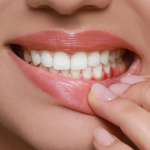
Bleeding while brushing or cleaning between your teeth is one of the most common signs of gum inflammation. Although brushing too forcefully can contribute to irritation, recurring bleeding should not automatically be considered normal.
Use a soft-bristled toothbrush and clean gently along the gum line. If bleeding continues, arrange a dental assessment to identify the underlying cause.
2. Red or Swollen Gums
Healthy gums are generally firm and do not appear persistently swollen. Redness, tenderness or puffiness may indicate inflammation caused by plaque accumulation or another oral health problem.
If your gums remain swollen despite careful cleaning, a dentist can assess the area and recommend suitable treatment.
3. Persistent Bad Breath
Bad breath that continues despite regular brushing and tongue cleaning may be associated with plaque, gum disease or other oral health issues.
Bacteria can accumulate around the gum line and in areas that are difficult to clean. A dental assessment can help determine whether gum inflammation or another condition is contributing to the problem.
4. Receding Gums
Gum recession occurs when the gum tissue moves away from the tooth, making more of the tooth surface or root visible. It can result from gum disease, brushing too aggressively or other factors.
Receding gums may increase tooth sensitivity and require professional assessment to establish the cause.
5. Loose Teeth or Changes in Your Bite
Advanced gum disease can damage the structures that support your teeth. You may notice that a tooth feels loose or that your bite has changed.
These symptoms need prompt dental assessment because they may indicate significant periodontal damage or another dental problem.
What Causes Gum Disease?
Gum disease usually develops when plaque accumulates around the teeth and gums. However, several factors can increase the likelihood of gum problems or make existing disease more difficult to control.
Poor Plaque Removal
Plaque builds up naturally throughout the day. If it is not removed effectively through brushing and interdental cleaning, it can irritate the gums.
Over time, plaque may harden into tartar, which cannot be removed through ordinary brushing alone. Professional cleaning may be necessary to remove these deposits.
Smoking
Smoking can increase the risk of gum disease and make treatment less successful. It can also mask some signs of inflammation, meaning gum problems may be more advanced before they become obvious.
Reducing or stopping smoking can support your overall oral health. Your dental team can explain how smoking may affect your gums and treatment outcomes.
Diabetes and Other Health Factors
Diabetes, certain medications, hormonal changes and other health factors can influence gum health. Some medications may also contribute to dry mouth, which can affect oral health.
Inform your dentist about relevant medical conditions and medications so that your care can be planned appropriately.
Inconsistent Dental Care
Skipping dental appointments may allow gum problems to progress without being identified. Professional assessments can detect signs of inflammation, measure gum pockets when appropriate and identify areas requiring additional care.
Regular visits are particularly important if you have previously experienced gum disease.
How Can You Improve Gum Health at Home?
Good daily oral hygiene is one of the most effective ways to reduce plaque accumulation and support healthy gums. Small, consistent habits can make a meaningful difference over time.
Brush Twice Daily
Brush your teeth twice a day using fluoride toothpaste, including the last thing at night. A soft-bristled toothbrush can help clean effectively while reducing the risk of irritation from excessive pressure.
Pay particular attention to the gum line, where plaque can accumulate. Use gentle, controlled movements rather than scrubbing aggressively.
An electric toothbrush may be helpful for some people, especially if they find it difficult to clean every surface thoroughly.
Clean Between Your Teeth Every Day
A toothbrush cannot effectively reach every space between your teeth. Interdental brushes or dental floss can help remove plaque and food particles from these areas.
The most suitable option depends on the size of the spaces between your teeth and your individual needs. A dental professional can demonstrate the correct technique and recommend an appropriate cleaning aid.
Avoid Smoking
Smoking increases the risk of gum disease and can interfere with healing. Avoiding tobacco can help support healthier gums and improve the prospects of successful periodontal treatment.
Maintain a Balanced Diet
A balanced diet supports general health, including oral health. Limit frequent consumption of sugary foods and drinks, particularly between meals, and drink water regularly.
Diet alone cannot treat established gum disease, but healthy eating habits can complement effective oral hygiene.
Attend Regular Dental Assessments
Even if your gums do not hurt, problems may develop without obvious symptoms. Regular dental assessments allow your dentist to check your teeth and gums and recommend preventive care based on your needs.
You can arrange a dental check-up in Ringwood to discuss your oral health and any symptoms you have noticed.
How Is Gum Disease Treated by a Dentist?
Gum disease treatment depends on its severity, the amount of plaque and tartar present, and whether the supporting tissues have been affected.
A dentist or dental hygienist can assess your gums and recommend an appropriate treatment plan.
Professional Dental Cleaning
Professional cleaning helps remove plaque and tartar that cannot be removed effectively with routine home care. It can be particularly useful when deposits have accumulated around the gum line.
The dental professional may also provide tailored advice on brushing, interdental cleaning and other ways to reduce plaque.
Learn more about the practice’s direct access dental hygiene service to understand the hygiene care available.
Periodontal Treatment
If gum disease has progressed beyond early gingivitis, more extensive treatment may be necessary. This can include professional cleaning below the gum line, often referred to as scaling and root surface debridement.
The purpose is to reduce bacterial deposits and inflammation around the affected teeth. Some patients may require treatment over several appointments, followed by ongoing maintenance.
Advanced cases may need specialist periodontal care. Your dentist can explain the available options and whether a referral is appropriate.
Ongoing Maintenance
Treating gum disease is not always a one-time process. Patients with a history of periodontitis may need more frequent professional maintenance and careful monitoring to help prevent recurrence.
Your dentist or hygienist can recommend a review schedule based on your gum condition, risk factors and response to treatment.
Can Gum Disease Cause Tooth Loss?
Yes. Advanced gum disease can damage the bone and connective tissues that hold teeth in place. As these supporting structures deteriorate, teeth may become loose and, in severe cases, may need to be removed.
However, bleeding gums do not automatically mean that tooth loss is inevitable. Early gingivitis can often be reversed with effective plaque removal and suitable professional care.
If periodontitis has already developed, treatment can help control the disease and reduce further damage, although lost supporting bone may not fully regenerate without specific treatment.
Seeking advice when symptoms first appear can improve the chances of managing gum disease effectively.
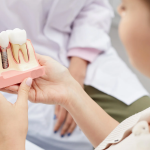
If a tooth is severely damaged or cannot be preserved, your dentist can discuss suitable options. Depending on the clinical findings, treatments such as dental implants or crowns and bridges may be relevant to replacing missing teeth. These treatments do not replace the need to control active gum disease.
When Should You See a Dentist in Ringwood?
You should arrange a dental assessment if you regularly experience bleeding gums, persistent bad breath, gum tenderness, swelling or gum recession.
Do not wait for pain before seeking advice. Gum disease can progress with relatively few symptoms, especially in its earlier stages.
Seek prompt dental advice if you notice loose teeth, significant swelling, pus around the gums or rapidly worsening symptoms. Severe facial swelling, difficulty swallowing or difficulty breathing requires urgent medical attention.
If you are concerned about your gum health, contact Dalkeith House Dental Practice to discuss your symptoms and arrange an assessment.
The practice can help you understand the next steps and whether preventive care, professional cleaning or further periodontal assessment may be appropriate.
How Can Dalkeith House Dental Practice Help You Maintain Healthy Gums?
Maintaining healthy gums involves a combination of effective home care, professional advice and regular monitoring. Identifying problems early can help reduce the risk of more complex treatment later.
Dalkeith House Dental Practice provides dental care for patients in Ringwood, with an emphasis on helping patients understand their oral health and available treatment options.
During an appointment, you can discuss bleeding gums, plaque accumulation, bad breath, gum recession or other concerns. Your dental professional can assess your condition and recommend care suited to your needs.
To take the next step, book an appointment online or visit the practice’s homepage to learn more about its services.
Regular care and early attention to symptoms can help you protect your natural teeth and maintain healthier gums over time.
Frequently Asked Questions
1. Can gum disease be reversed?
Early gum disease, known as gingivitis, can often be reversed by removing plaque effectively and improving oral hygiene. Advanced periodontitis can usually be managed with appropriate professional treatment, but damage to the supporting tissues may not be fully reversible.
2. Why do my gums bleed when I brush my teeth?
Bleeding gums can be a sign of inflammation caused by plaque accumulation. Brushing too forcefully or other conditions may also contribute. Use a soft-bristled toothbrush and gentle technique, and arrange a dental assessment if bleeding persists or occurs repeatedly.
3. How often should I have my gums checked?
The appropriate interval depends on your oral health, gum condition and individual risk factors. Your dentist may recommend routine check-ups or more frequent periodontal maintenance if you have a history of gum disease. Follow the review schedule recommended for your needs.